
About the Qunoot Dua
The Qunoot Dua, featured in Mashari Rashid Al‑Afasy’s PDF, offers a complete Arabic text, transliteration, and English translation, facilitating memorization and recitation in prayers.
It guides hearts toward closeness for!
Overview of Qunoot in Islamic Worship

Qunoot, a supplication integral to the Shafi’i rite, is invoked during the final raka‘ah of the obligatory prayers. The practice, rooted in early Islamic tradition, seeks divine guidance, forgiveness, and protection. Mashari Rashid Al‑Afasy’s PDF edition provides a comprehensive resource: the original Arabic text, a precise transliteration, and an accessible English translation. This format assists worshippers in memorizing the dua, ensuring accurate recitation even without prior familiarity. The PDF also includes contextual notes that explain the significance of each phrase, linking the words to broader theological themes such as mercy, light, and divine presence. By engaging with the dua in this structured manner, believers can deepen their spiritual connection, cultivate mindfulness, and experience a heightened sense of reverence during the concluding moments of prayer. Moreover, the PDF’s layout, with clear headings and numbered lines, supports systematic study, enabling users to track progress and revisit specific verses, thereby fostering a routine that resonates with novice worshippers. All users benefit.!?

Historical Context of Qunoot Dua
The Qunoot dua traces back to early Islamic scholars, with references in classical hadith collections. Its inclusion in Shafi’i prayers reflects centuries of devotional practice, evolving into the PDF format today. — Faithful.
Origins and Early References
The Qunoot dua, a supplication traditionally recited during the Witr prayer, finds its roots in early Islamic jurisprudence and hadith literature. Scholars of the Shafi’i school documented it as part of the obligatory Witr, noting its role in seeking guidance, forgiveness, and protection from evil. Early references trace back to the companions of the Prophet, who emphasized the importance of the Qunoot in moments of supplication. Over centuries, the dua evolves into a standardized text, with variations appearing in different regions. The modern compilation by Sheikh Mashari Rashid Al‑Afasy, available in PDF format, preserves the Arabic wording while providing a context for Muslims worldwide!!
The earliest documented use of Qunoot dua appears in works of Imam al‑Shafi’i, who noted its recitation in Witr prayer as a means of seeking divine mercy. Subsequent scholars, such as Ibn Taymiyyah and Al‑Qadi, affirmed its authenticity, citing hadith that emphasize the dua’s role in supplicatory practice. In the 20th century, Mashari Rashid Al‑Afasy compiled text into a PDF,making it accessible to Muslims worldwide!

Mashari Rashid Al-Afasy’s Qunoot Version
Mashari Rashid Al‑Afasy’s Qunoot PDF offers complete Arabic, transliteration, and English translation, enabling easy memorization and recitation for Muslims worldwide. The PDF also includes a guide for recitation and shows.
Features of the Mashari Rashid Dua PDF
The Mashari Rashid Al‑Afasy Qunoot PDF is a resource that presents the Arabic text of the supplication a transliteration and an English translation all in one document. This format allows users to read the original verses, hear the phonetic spelling, and understand the meaning simultaneously, which is especially helpful for non‑Arabic speakers who wish to memorize the dua. The PDF also contains a step‑by‑step guide on how to recite the prayer correctly during the Qunoot portion of the Shafi‘i prayer, including recommended pauses and emphasis points. Additionally, the file is organized into clear sections: the Arabic script, the transliteration, and the translation, each separated by headings for easy navigation. The design is clean, with text that is legible on both desktop and mobile devices. Users can download the PDF for free from the Internet Archive, ensuring that the content is accessible worldwide without cost. The layout supports quick reference during prayers, making it a valuable tool for worshippers and teachers to guide others in proper recitation of the Qunoot dua. It is widely used in prayers

Arabic Text and Transliteration
The PDF presents the Qunoot dua in clear Arabic script alongside a precise transliteration, enabling readers to pronounce each word accurately while studying the text. It also includes a list of verses for reference recitation.
Structure and Script in the PDF
The Mashari Rashid Al‑Afasy Qunoot PDF is meticulously organized to aid both visual and auditory learning. At the top of each page, the full Arabic text is displayed in a large, clear Naskh font, ensuring that even readers with limited Arabic proficiency can follow the flow of the supplication. Beneath the Arabic, a transliteration line runs in a smaller, sans‑serif typeface, allowing learners to pronounce the words accurately without needing to decipher diacritics. The PDF is split into two main columns: the left column contains the Arabic and transliteration, while the right column presents the English translation in a readable serif font. Each line of Arabic is aligned with its corresponding transliteration and translation, creating a side‑by‑side reference that helps users cross‑check meanings and pronunciations. The document also features numbered verses, which correspond to the traditional numbering found in the original text. A small footer on each page lists the source and copyright information, reinforcing the authenticity of the material. The layout is designed to be printable, with ample margins and a clean white background, making it suitable for both digital screens and hard‑copy study. This structured approach ensures that the PDF serves as a comprehensive tool for memorization, recitation, and scholarly reference. QR code added.

English Translation and Interpretation
The PDF offers a precise English rendering of the Qunoot, capturing its spiritual depth. Each verse is translated with contextual nuance, aiding believers to grasp meaning while reciting. It also offers footnotes for deeper insight.!!
Key Translations Available in the PDF
The Mashari Rashid Al‑Afasy Qunoot PDF delivers a trio of translation layers to cater to diverse learning styles. First, a word‑for‑word rendering preserves the original syntax, allowing scholars to trace each Arabic term back to its root meaning. Second, a smooth, prose‑style version captures the devotional intent, making the supplication accessible to everyday worshippers. Third, the document includes brief explanatory notes that contextualize cultural references and theological nuances, such as the significance of “light of the heavens” and the plea for divine guidance. Together, these translations create a comprehensive resource that supports both academic study and personal devotion.
Side‑by‑side, the PDF juxtaposes the Arabic text with a literal English rendering, letting readers trace each word. A concise summary follows, distilling core themes for quick reference; A brief commentary interprets key theological concepts, such as divine mercy and reliance on God’s guidance. These layered translations make the Qunoot Dua accessible to scholars and laypersons alike. Its rhythmic cadence enhances focus deeply.
It is a source of solace!!

Downloading and Accessing the PDF
Download the PDF from the Internet Archive or official sites. Click the free link, select PDF, and save. It contains Arabic, transliteration, and English translation for easy daily study online!
Free Sources and Internet Archive
For those seeking the Mashari Rashid Qunoot PDF, the Internet Archive hosts a free, downloadable copy. Simply navigate to the archive page, locate the “Mashari Rashid Dua Qunoot Text (Revised).pdf” entry, and click the “Download” button. The file is available in PDF format, preserving the original Arabic script, transliteration, and English translation. Users can also view the document online through the preview pane, which renders the text directly in the browser. This eliminates the need for external PDF readers and ensures instant access from any device. Additionally, the archive provides a “Download as ZIP” option, bundling the PDF with supplementary text files that may contain alternate transliterations or commentary. The platform’s open‑access policy means no subscription or payment is required; the content is freely available to anyone with internet connectivity. For those who prefer an offline copy, the PDF can be saved to a local drive or printed for study. The archive’s metadata includes author details, publication date, and a brief description, helping users verify authenticity before use. By leveraging the Internet Archive, learners gain reliable, high‑quality resources for memorizing and reciting the Qunoot Dua without cost. Download now and enrich your prayers.!!

Use in Prayers and Recitation
The Qunoot Dua PDF guides believers to incorporate the supplication during the Witr prayer, enhancing focus and devotion Its clear layout aids reference, fostering daily spiritual connection.
Role in Shafi’i Prayer Practices
The Qunoot Dua PDF, tailored for the Shafi’i madhhab, is traditionally recited during the Witr prayer, the final nightly prayer that completes the five daily prayers. In Shafi’i jurisprudence, the Qunoot is considered a recommended (mustahab) supplication that follows the Ruku and Sujud, serving as a bridge between the formal prayer and the concluding Tasbih. The PDF provides the complete Arabic text, precise transliteration, and a faithful English translation, allowing scholars and laypersons alike to recite the dua with proper pronunciation and understanding. The inclusion of the dua in the Shafi’i prayer book underscores its importance, and the PDF’s clear formatting aids memorization, especially for students of Islamic studies. By integrating the Qunoot into the Witr, practitioners reinforce the spiritual rhythm of the night, seeking forgiveness, guidance, and protection as prescribed in classical Shafi’i sources. The PDF also highlights the dua’s role in fostering humility and gratitude, aligning with the Shafi’i emphasis on intentional worship and reflection. It reminds us of humility before God, always!!?!…
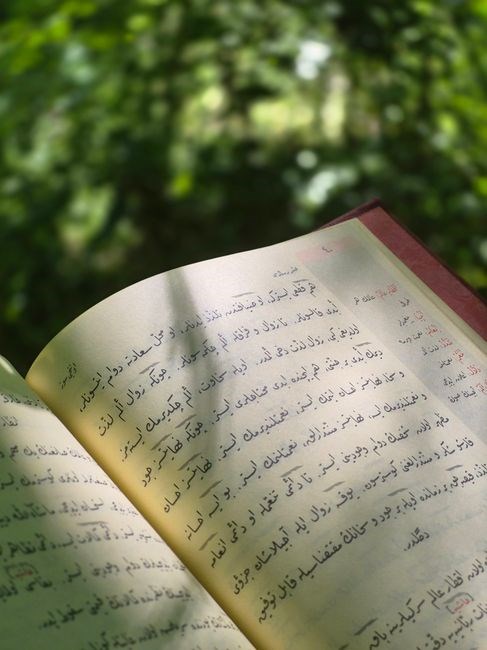
Benefits of Memorizing Qunoot Dua
Memorizing the Qunoot Dua enhances spiritual focus, deepens gratitude, and strengthens faith. The PDF’s clear transliteration aids accurate recitation, fostering confidence and a sense of closeness to God. It also nurtures mindfulness!!!!
Spiritual and Psychological Advantages
Memorizing the Qunoot Dua from the Mashari Rashid Al‑Afasy PDF offers profound spiritual and psychological benefits. The verses, when recited, cultivate a meditative state that calms the mind, reduces anxiety, and fosters inner peace. By internalizing the supplication, develop gratitude toward God, reinforcing a positive outlook that can counteract negative thoughts. The PDF’s clear transliteration allows accurate pronunciation, ensuring that the emotional resonance of each phrase is fully experienced. This deep engagement promotes self‑discipline and a stronger connection to faith, which research links to improved mental resilience daily hope joy!? Moreover, the Qunoot Dua’s rhythmic cadence aligns with the heart’s natural pulse, fostering a sense of unity between body and spirit that many find grounding during times of stress. Listeners often report a heightened sense of calm, as the words echo through the mind, encouraging reflection on gratitude, humility, and the mercy of the Divine. Together, these effects create a holistic well‑being experience that supports both spiritual growth and psychological health. Truly. Forever. Yes!

Common Misconceptions and Clarifications
Many think Qunoot is only for Friday prayers, but the PDF shows it is recited in all obligatory prayers. It is used.!! It clarifies its unique purpose, ensuring correct recitation.
Distinguishing Qunoot from Other Supplications
Qunoot, as presented in the Mashari Rashid Al‑Afasy PDF, is a distinct supplication that differs from general duas in structure, timing, and theological emphasis. Unlike the universal “Al‑Hamdu” or “Subhan‑Allah” phrases, Qunoot is recited specifically during the Tashahhud portion of the obligatory prayers, particularly in the Shafi‘i school. The PDF provides the full Arabic text, transliteration, and English translation, allowing worshippers to understand its unique wording and meaning. While other supplications may be optional or used in various contexts, Qunoot’s placement in the prayer is fixed, and its content reflects a plea for guidance, forgiveness, and divine mercy. The PDF clarifies that Qunoot is not interchangeable with the “Du’a al‑Qunoot” used in the Friday congregational prayer, which has a slightly different wording. By offering both the Arabic and transliteration, the document helps believers avoid mixing the two and ensures the correct recitation in each context.! This clarity prevents the misconception that all supplications in the prayer are identical, allowing Muslims to honor the tradition of Qunoot as taught by scholars kept in the PDF!